Specialists in Colorado: Climate-Smart Building Materials and Techniques
Colorado benefits great building scientific research and punishes guesswork. A sunny mid-day can swing thirty levels from dawn, a bluebird sky can transform to hail in fifteen mins, and winter months early mornings push frost via any type of weak spot in the envelope. Up in the foothills, wildfire coal ride the wind. On the Front Array, spring hail makes contractors active most years. All of that come down on the workdesk of Colorado specialists, who balance code, craft, expense, and environment every week.
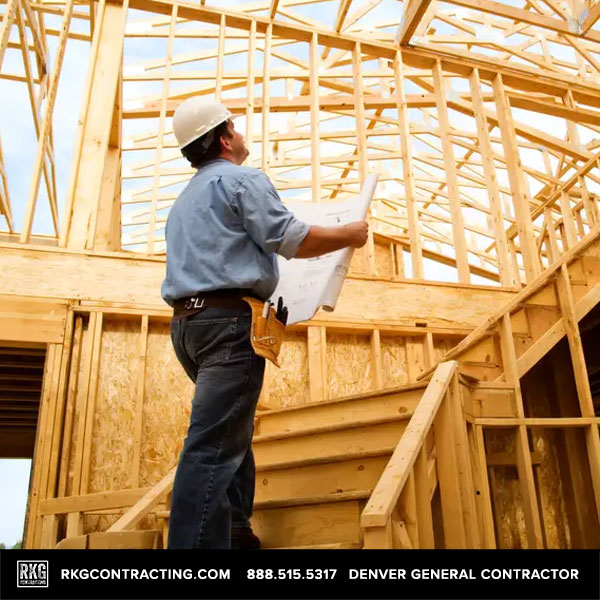
The most successful basic contractors in Denver have actually discovered to pair climate-smart materials with functional techniques that make it through examination, match the trades in the field, and carry out when that first cold wave hits. Whether you are vetting Colorado Contractors for a brand-new construct, or scoping retrofits with a Denver General Specialist, the throughline is the same: design for the environment, build tighter and smarter, and track both operational and embodied carbon along the way.
What the Colorado climate actually does to buildings
The state's extremes act on materials in specific ways. At elevation, thinner air and more UV shorten the life of anything unsafe on the roofing or southern wall. Freeze thaw cycles, commonly greater than 50 per winter season along the Front Range, locate tiny paths in concrete and stonework. Winter season vapor drive intends inward. Summer downpours struck hot exterior siding with sudden rainfall, then the sunlight cooks that dampness back toward the sheathing. The diurnal temperature level swing can worry caulks and sealers, so the wrong product fails in a season.
Two more facts form finest technique. Initially, wildfire. The wildland city interface currently consists of communities that didn't consider themselves in jeopardy twenty years earlier. Second, hail storm. Course 4 influence ranked roofing is no longer optional for long-term worth along the Front Range.
Finally, codes issue. Denver adopted a 2022 energy code largely straightened with IECC 2021, with neighborhood changes for all-electric preparedness, EV-capable vehicle parking, and solar readiness on the majority of new structures. The Denver Structure Efficiency Ordinance sets phased power targets for larger existing buildings, which is nudging both design and retrofit choices. Statewide, the Buy Clean Colorado Act presses personified carbon openness on public projects. Great Structure Service providers Denver groups track these demands from schematic design to bargain so there are no eleventh hour surprises.
A climate-minded envelope, from sheathing out
On household and light commercial tasks, I begin with the envelope. The most affordable kilowatt-hour is the one you never require, and the tightest building is the one that deals with the Colorado environment every year without complaints.
Exterior constant insulation gains its keep below. Fiberglass in the cavity has worth, but thermal connecting through studs can get rid of a third of its result. Two inches of mineral woollen or high efficiency foam outside the sheathing produces a thermal covering that stays secure via freeze thaw and assists manage condensation threat. Mineral woollen handles warm and ashes well, which matters at the edge of the WUI. If we make use of foam, we spec HFO-blown products to avoid the high worldwide warming capacity of old blowing representatives. The distinction in symbolized carbon per board foot is not small.
On older brick or CMU buildings, we treat the wall as a dampness storage tank and stay clear of trapping water. A drained and ventilated rainscreen on the outside keeps the sheathing completely dry in summer season tornados. Voids at the base and top of the siding, screened versus parasites, offer the setting up an opportunity to breathe out. In Colorado's reduced humidity, a small amount of air flow goes a lengthy way, yet you have to keep clear paths. Painters enjoy to seal those spaces. We train them not to.
Air sealing is the low cost workhorse. We target 3 ACH50 or much better on single family members and townhomes, and we beat that when the design enables. On multifamily, the metrics shift to compartmentalization in between systems, which matters for sound and smoke control, as well. Prior to drywall, we run a blower door and walk the building with an IR electronic camera and a smoke pencil. We locate rim joist leaks behind tubs, went down soffits above cupboards, and misaligned air obstacles in stairwells. A single mid-day with a little crew and sealants can knock a complete ACH50 off the test outcome. Service providers in Denver who established this assumption at the preconstruction meeting surface faster, since they catch the leaks while trades are still open to fixes.
Vapor control deserves a local note. With winter internal vapor drive, wise vapor retarders shine on the warm side of the assembly. They remain tight in January, after that open in June to allow settings up dry to the interior. In high elevation basements, we manage the listed below quality vapor differently, using capillary breaks, stiff foam under slabs, and a continual vapor retarder that connects to the radon system. Colorado has high radon potential across much of the state; an easy radon pile and a sealed piece are table stakes, with energetic followers all set if post-occupancy tests return high.
Windows are where comfort is won or lost. Three-way pane units with insulated frameworks cut drafts and outdoors sound, and they pay back quicker at altitude due to the fact that winter nights are so cool. I commonly match low solar warm gain glass on west altitudes with a greater solar gain spec on the south to collect shoulder period sunlight. Mechanical shades or straightforward overhangs aid solidify that gain mid-summer. On business store fronts, thermally busted frames and cautious connection at the sill maintain condensation off the floor during cold snaps.
Roofs that last through sun, hailstorm, and snow
A Colorado roof is not generic. Course 4 influence rated shingles or standing joint steel make economic feeling where hailstorm hits every couple of years. Metal takes care of snow slide well, yet you need to information snow retention over access. On flatter business roofs, we try to find membrane layers with strong UV resistance. White roofing systems lower air conditioning lots along the Front Array, though glow and aesthetic context can influence the choice downtown. Appropriately tapered insulation to scuppers maintains ponding off the deck, which in turn secures the membrane throughout freeze thaw.
At parapets, kickout blinking and metal handling closed joints protect against the kind of sluggish leakages that show up two wintertimes later on as ceiling discolorations. If solar is in extent, we collaborate racking attachment with the roofer early and require a letter on guarantee continuity. Absolutely nothing develops finger aiming faster than a permeated roof with a split service warranty in between the PV installer and the roofing professional. Smart Denver Contractor Solutions groups pre-plan the layout so the roofing contractor and solar staff never work at cross-purposes.
Low carbon concrete that still passes the downturn test
Concrete is both a strength and a carbon problem. Great staffs in Colorado currently understand air entrainment protects versus freeze thaw damage, and that correct treating saves you from surface scaling. The climate-smart move is to reduce the cement content without cutting efficiency. We ask ready-mix suppliers for mixes that change 25 to half of rose city cement with extra cementitious materials. Class F fly ash used to be the default, but as coal plants retire, we lean on ground granulated blast heater slag, sedimentary rock blends, calcined clay, or natural pozzolans sourced from volcanic materials. With the best combination, we consistently see a 20 to 40 percent decrease in embodied carbon and boosted toughness. On tasks with hostile timetables in cold weather, slag hefty blends can slow early stamina gain. We prepare around that with accelerators, heated rooms, or series the puts so strength essential components obtain a faster mix.
Technologies that infuse CO2 into the mix are readily available from several Denver location plants. They mineralize a section of the CO2 and can add a couple of percent to compressive toughness while cutting the concrete web content. For state work, the Buy Tidy Colorado Act currently requests Environmental Item Declarations, so general professionals Denver customers employ requirement to be familiar in EPDs and purchase language. On personal tasks, we still request EPDs due to the fact that the transparency aids develop the spec.
Mass lumber, crafted timber, and fire performance
The conversation around mass lumber has relocated from novelty to practicality. Cross laminated flooring timber and adhesive laminated beams match well with Colorado's desire for low embodied carbon and biophilic insides. In mid-rise construction, the speed of erection can shave weeks off a timetable, and trades value the tidy website. Yet you have to detail fire security and acoustics carefully. Exposed timber requires char calculations and worked with lawn sprinkler protection. Penetrations for MEP should be factory prepared to avoid onsite boring, which can compromise fire resistance. For multifamily over podium in Denver, a hybrid approach with a concrete podium and wood above often balances price and efficiency. Colorado General Specialists that self-perform harsh woodworking gain a side here because sequencing is critical.
For exterior cladding in the WUI, fiber concrete, stucco over a correct rainscreen, and metal panels outshine raw timber. If the style requires a timber look, we use thermally changed boards or factory completed items with back-primed faces, and we maintain them off grade. Ember-resistant vents with 1/8 inch mesh and metal rain gutters reduce the ignition paths that took numerous homes in current fires. Even inside city limits, these relocations assist with insurance and long term resilience.
HVAC that works at altitude
Heat pumps are not theoretical in Colorado any longer. Cold environment air-source units with vapor shot run to subzero temperature levels and maintain useful capacity. On Front Range homes under 3,000 square feet that hit 3 ACH50, we commonly size a 2 to 3 heap cool climate system with a right-sized backup strip heat variety. For larger or more complicated homes, variable cooling agent circulation or air-to-water heatpump paired with reduced temperature radiant floors or fan coils deliver convenience in every area without oversizing. Gas is still common, however Denver's more recent codes guide designers toward all-electric preparedness, and the majority of energies use rebates that shrink the delta.
Ventilation matters as you tighten up the covering. An ERV with well balanced circulations, appropriately commissioned, maintains bed rooms fresh in January and does not backdraft anything. We test circulations at the signs up and established boost switches in kitchens and baths. Range hoods require actual capture and a duct to the outside, not a recirculating filter that only brightens the air. In industrial spaces, need regulated ventilation with CO2 sensors saves energy throughout partial occupancy. For schools and clinics along the Front Array, upgraded filtering to MERV 13 has come to be standard method without obvious follower penalties if the layout team sizes for it.
Heat pump water heaters are entitled to a reference. In basements, they evaporate as they warm water, which is welcome in summer season. In small laundry room, we look for sound and air movement, and in some cases duct them to a bigger area. On the cost side, refunds from Xcel Energy and others have been solid sufficient to bring net initial expense near gas. General https://chancezqdm304.timeforchangecounselling.com/how-basic-getting-companies-denver-help-reduce-building-risks Contract Services Denver CO teams who track incentive documentation throughout submittals avoid delays at the end.
Water, landscaping, and website resilience
Water plan in Colorado is special, yet there is still space for wise site design. Residential rain barrels as much as 110 gallons overall are enabled non-potable outdoor usage, and business rain capture needs particular approval connected to historical usage rights. We respect the regulations and still design for infiltration where it helps. Permeable pavers with well-prepared bases make it through freeze thaw when the team compacts in lifts and uses clean stone.
Inside the structure, WaterSense fixtures paired with leak detection shutoffs safeguard both water and finishes. For bigger websites, xeriscape is not a gravel yard. It is a planting plan with indigenous or adjusted species, deep compost, and drip irrigation zoned for microclimates. A south dealing with courtyard shielded from wintertime winds can hold a comfortable outside space in March, which improves just how passengers in fact use the property.
Procurement that reduces personified carbon without drama
Embodied carbon is not an abstract idea. It sits in the concrete mix, the rebar, the insulation, and the mounting package. On numerous current projects with Denver Specialists Services groups, we maintained an easy spreadsheet of high impact products and requested EPDs at quote time. For insulation, we shifted from XPS to EPS or polyiso with low GWP blowing representatives. For steel, we requested electric arc heater material when readily available. Those 2 steps alone trimmed hundreds of kgs of CO2e at basically no cost.
Wood framework from licensed sources is available at scale. FSC or SFI tags do not assure low carbon, however they aid maintain forests that can withdraw carbon over the long term. On insides, reduced VOC products are currently standard, so we invest more attention on adhesives that really stay adaptable with temperature level swings.
Scheduling and sequencing in a four period work zone
Winter is not a quit indicator. It is a different setting. The very best General Acquiring Services Denver teams frame and completely dry in during shoulder months, after that transfer to interior work as the snow begins. Warmed rooms for masonry and concrete are simple when they get valued properly in precon. Winter concrete admixtures maintain routine on grade beam of lights and platforms without compromising long-term strength, gave the team regulates temperature during curing. When a chinook rolls with and temps hit 60 in January, we grab that home window for exterior insulation or roof covering, however just with a strategy to shield what we start.
Offsite panelization has actually aided on several hill tasks where site accessibility is limited and weather home windows are brief. Wall surface panels get here with air barrier membranes mounted, which reduces exposure and boosts top quality. It is not a magic bullet. You need exact as-builts for foundations and a crane strategy that values both next-door neighbors and wind gusts. General Getting Companies Denver that have in-house or partner panel shops can frequently hold schedule where stick framework would slip.
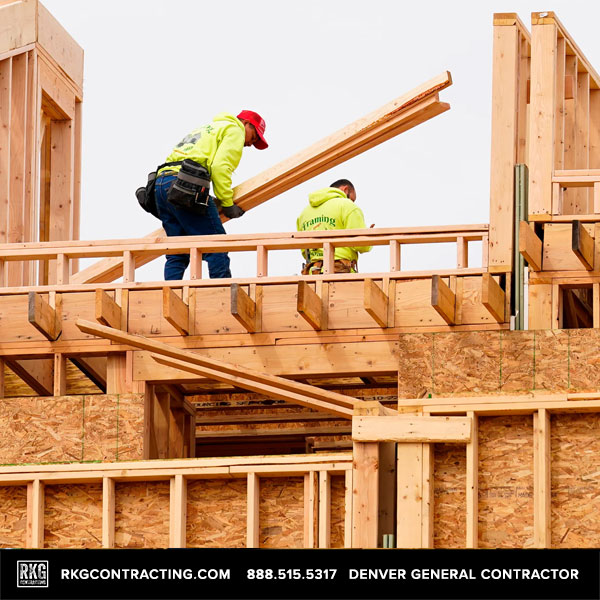
Verification, appointing, and guarantee approaches that pay back
Blower door examinations are only component of the tale. We established efficiency targets early, photograph critical envelope details prior to they are covered, and run point on submittals that can slide, like sealants and tapes. On MEP, 3rd party appointing for commercial tasks is not a documents workout when done right. It validates flows, control sequences, and the details that influence comfort, like supply air temperature level reset or evening trouble reasoning. When the structure opens and renters are happy with their initial wintertime and summer, the reduction in callbacks is measurable.
For hail and wildfire, service warranty language issues. We specify Course 4 roofing systems and ember-resistant elements in the papers, after that tie those specifications to proprietor training. A 10 min session on cleansing rain gutters and checking snow guards keeps the envelope efficient. For multifamily, an easy move like identifying ERV filters and providing a spare embed in each unit conserves upkeep headaches and maintains ventilation on track.
What it costs and why it pencils
Climate-smart options are not free gifts, but the internet is frequently smaller sized than clients expect once you count utility refunds, prevented maintenance, and threat decrease. Continuous exterior insulation might add 2 to 4 percent to a residential covering price, but it shaves lots estimations, which allows for smaller a/c systems. A cold climate heat pump with motivations can land very near a mid-tier gas heating system and AC, and it locks in lower operating costs as the grid continues to include renewables. Effect ranked roof runs greater than typical shingles on bid day, yet the initial hailstorm often makes the premium look tiny.
Embodied carbon work is similar. Reduced carbon concrete mixes can be cost neutral. Exchanging insulation types and requesting EPDs expenses time throughout submittals, not always cash. On commercial tasks subject to the Denver Structure Efficiency Ordinance, reliable envelopes and right-sized systems decrease the lengthy tail of compliance costs.
A couple of field-tested comparisons
- Mineral woollen vs outside foam for continual insulation: mineral wool withstands fire and manages high temperatures, drains well in a rainscreen, and mounts nicely with long screws, while high efficiency foam provides higher R per inch and easier describing at home windows. In foothill WUI areas, mineral wool obtains the nod regularly. In limited city websites where fully matters, foam can win if the blowing representative is low GWP.
- Triple pane windows vs high efficiency dual pane: triples win on comfort and sound, especially near hectic streets or flight courses, and they reduced condensation danger on cool evenings. Luxury doubles with warm side spacers and great structures can still do well at reduced preliminary expense. In homes above 7,000 feet with open direct exposures, I lean triple pane. In smaller units with less home windows, a costs dual pane may pencil.
- Fiber cement vs metal cladding: fiber concrete uses an acquainted install series and strong fire resistance, with modest price. Metal panels last a long time under UV and hail storm, and with appropriate gaskets they stay tight. In hail prone zones, we upspec panel density and select profiles that conceal small dings. For modern designs in Denver's infill areas, both fulfill layout review if detailed cleanly.
- Air-source heat pump vs gas furnace plus AC: contemporary chilly climate heatpump are silent, efficient, and decarbonize with time as the grid boosts. Gas heaters still supply strong capability at low preliminary price and are familiar to numerous solution techs. In all-electric prepared jobs with great envelopes, heat pumps usually pencil. On substitute jobs with existing gas and budget plan restrictions, an organized strategy can make sense.
- Site-built vs panelized wall surfaces: panelization rates dry-in, improves envelope quality assurance, and lowers waste. It needs very early control and precise structures. Site-built framing is flexible and can adapt to late changes. In winter months schedules or remote sites, panelization often wins. In small enhancements or complicated remodels, site-built stays practical.
Two job pictures from the Front Range
A 1920s block bungalow in Congress Park: The owner desired reduced expenses and much better convenience without changing the street face. We protected the roofing with dense pack cellulose to R-60, mounted a clever vapor retarder, and added 1.5 inches of polyiso above the roofing system deck prior to brand-new Class 4 shingles. Initial weight and chain home windows were recovered with indoor low-e storm panels. We air sealed the cellar edge and included a passive radon stack. A 2 bunch chilly climate heat pump with 2 ducted zones changed a tired heating system and air conditioner. Blower door went down from approximately 12 ACH50 to 4.5. Costs fell by around 30 percent, and winter months drafts went away. The outside appears like it did before, which pleased the historic testimonial team.
A light industrial covering in Business City: The programmer required a resilient, low OPEX structure for tiny manufacturers. We specified a 6 inch tilt-up panel with a mix utilizing 35 percent slag, air entrained for freeze thaw. Roof covering insulation struck R-30 above deck with a white TPO membrane. Dock doors got shielded panels with limited gaskets. Inside partitions produced occupant flexibility, and we ran an ERV foundation with stubs to every bay. The structure commissioned cleanly, and lessees report secure temperature levels without combating the thermostat. Symbolized carbon cost savings from concrete and insulation choices were approximated at 15 to 20 percent versus a conventional spec.
Working with Colorado General Service providers that understand the terrain
Experience in this environment shows up in exactly how a contractor series work, what details they treat as non-negotiable, and exactly how they handle inspections. General Specialist Denver groups that promote blower door examinations prior to drywall, that coordinate ERV commissioning, and that ask for EPDs at proposal time usually deliver much better buildings. RKG Getting General Professionals Denver, as one example amongst peers, has leaned right into envelope-first techniques on city infill and hill side projects, which receives winter months convenience calls that never happen.
If you are shortlisting Service providers in Denver or past, pay attention to preconstruction questions. Do they speak about vapor accounts, hail exposure, and ember resistance. Can they cite current projects under the Denver energy code, and do they coordinate with utilities for rebates. Does their sub base recognize just how to mount mineral woollen rainscreens without compressing them, and can their a/c companion commission an ERV, not simply install it.
A lean, regional list for climate-smart builds
- Target 3 ACH50 or far better, and routine a pre-drywall blower door with time to repair leaks.
- Choose constant exterior insulation, and favor mineral wool or low GWP foam depending on fire danger and density limits.
- Write Class 4 roof and ember-resistant information into the illustrations, with clear service warranty language throughout trades.
- Specify reduced carbon concrete combines with SCMs, demand EPDs, and plan for winter season cure management.
- Right-size a cold environment heat pump and well balanced ERV, and capture available refunds throughout submittals.
That set of actions, executed cleanly, delivers structures that feel better on a February morning and hold value through hail storm season. The techniques are not exotic. They compensate control, a few extra conferences early, and a superintendent who keeps an eagle eye on air barrier continuity.
Colorado General Specialists have a chance to make these methods requirement. As codes tighten up and energy rates vary, the market will keep observing which buildings are comfortable, quiet, and affordable to run. Service providers in Colorado that straighten products and techniques with the environment are currently winning the job that follows.
RKG Contracting
575 E 49th Ave, Denver, CO 80216
Phone (720) 477-4757
Find us on https://www.instagram.com/rkgcontracting.colorado/
https://www.foxnews.com/search-results/search#q=https%3A%2Fheavyhanded.la%2F